When should I prune my trees?
This is probably the most common question I get, and honestly, there's no simple, one-size-fits-all answer. Generally, for most deciduous trees – you know, the ones that drop their leaves in the fall, like oaks, maples, or aspens – the best time to prune is late winter or early spring. That's before any new growth really gets going. The trees are dormant then, so you're not stressing them out as much, and you can see their branch structure clearly without a bunch of leaves in the way. Plus, there's less chance of diseases spreading through those open wounds while the tree's asleep.
Now, if you've got fruit trees, that's a whole different ballgame. They often do better with summer pruning to help manage how much fruit they produce and to get the right shape. And if you're dealing with dead, diseased, or just plain dangerous branches, those need to come off the moment you spot them, no matter the season. Safety always comes first, right? Just don't go hacking away at a perfectly healthy tree in the middle of July unless you really know what you're doing; you could easily cause more harm than good.
How much water do my trees actually need, especially with our dry Custer summers?
You'd think trees, especially older, established ones, wouldn't need much help with water. But that's not always the case, particularly here in Custer. Our summers can get seriously dry, and even big, old trees can suffer from drought stress. Young trees, especially those planted in the last two or three years, definitely need consistent watering. I usually tell folks to aim for about 10 gallons of water per inch of trunk diameter, applied slowly, once a week during dry spells. You really want that water to soak deep into the soil, not just run off the top.
For older trees, you might not need to water quite as often, but keep a close eye on them. Wilting leaves, leaves changing color too early, or even dropping ahead of schedule are all big signs of stress. A good, deep soak once every couple of weeks during long dry periods can make a huge difference. Remember, the goal is to get water down to the root zone, which can stretch out quite a bit past where the branches end. Just be careful not to overwater; soggy soil can be just as bad as dry soil, leading to root rot.
What's the deal with tree fertilizer? Do my trees really need it?
Most of the time, if your trees are looking healthy and growing well, they probably don't need a lot of extra fertilizer. Trees are pretty good at finding what they need in the soil on their own. However, if you've got a tree that's looking a bit sad, growing slowly, or has pale leaves, a soil test is absolutely your best friend. It'll tell you exactly what nutrients are missing.
Here in Custer, our soil can sometimes lean a bit alkaline, which means certain nutrients, like iron, might become less available to the tree. If a test shows a deficiency, then a slow-release granular fertilizer or even a deep-root injection can really help. I usually suggest putting it down in late fall or early spring. Don't just dump a bunch of 'tree food' without knowing what you're trying to fix. You could end up burning the roots or encouraging too much weak growth. It's kind of like taking vitamins – you only take what you actually need.
My tree has some weird growths/spots/bugs. Should I be worried?
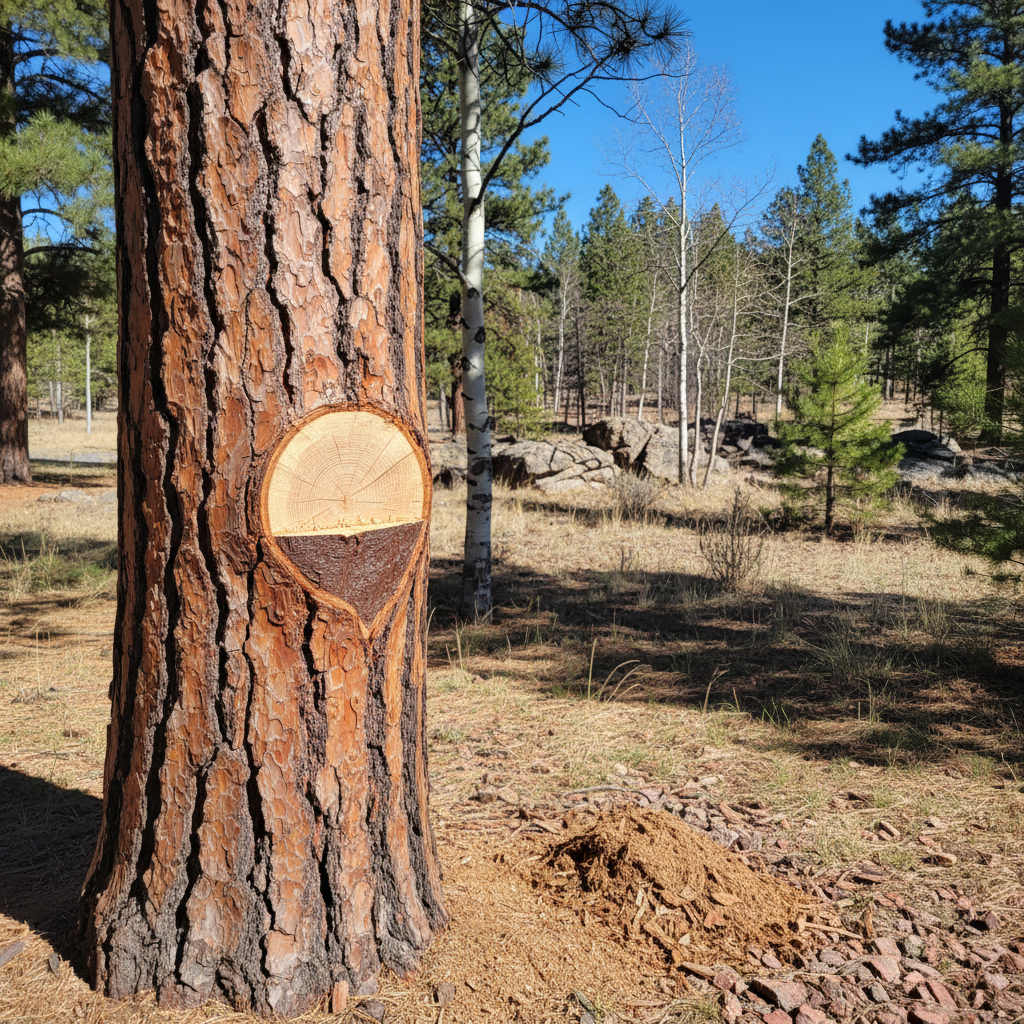
Okay, this is a big one, and it's super tough to answer without actually seeing it. Trees get all sorts of things – fungal spots, galls, insect infestations. Some are purely cosmetic and honestly, nothing to worry about. For example, those little bumps you sometimes see on oak leaves? Those are often galls, caused by insects or mites, and they usually don't harm the tree. Other things, though, like emerald ash borer (EAB), which we're always on the lookout for, can be absolutely devastating.
If you see something unusual, grab your phone and take a picture. A clear, close-up photo of the problem area and a wider shot of the whole tree can help us a lot. Look for signs like sawdust around the base, a lot of leaves falling off, or branches dying back. If you're concerned, it's always best to have a professional take a look. We can identify the problem and let you know if it's something that needs treatment or if the tree can handle it on its own. Don't panic, but don't ignore it either.
How can I protect my trees from winter damage in Custer?
Our winters here in Custer can be brutal on trees, especially the young ones. Heavy snow, ice storms, and those really cold snaps can do a number on them. One of the best things you can do is make sure your trees are well-watered going into winter. A good, deep soak before the ground freezes helps a lot.
For young trees, especially those with thin bark, wrapping the trunk with burlap or a tree guard can prevent sunscald. That's when the sun warms the bark on a cold day, then it freezes rapidly at night, causing damage. You can also use burlap to create a windbreak for evergreens, particularly if they're in an exposed spot. And if you get heavy snow, gently brush it off branches, especially on evergreens, to prevent breakage. Just be careful not to damage the branches while you're doing it. Sometimes, a little preventative pruning in the fall can also remove weak branches that might break under a heavy snow load. We've certainly seen plenty of broken limbs after a good Black Hills blizzard, and Midway Tree is usually busy cleaning up after them.
When is it time to call a professional for tree care?
Look, I'm a big believer in DIY for a lot of things, but tree care isn't always one of them. If you're talking about pruning small branches you can reach from the ground with hand pruners, go for it. But anything involving ladders, chainsaws, or branches over your head? That's when you really need to call in the pros. It's incredibly dangerous work, and one wrong cut can injure you or seriously damage your property.
You should also call us if you're seeing signs of disease or pests you can't identify, if a tree is leaning significantly, if branches are growing too close to your house or power lines, or if you're just not sure what to do. We've got the training, the equipment, and the insurance to do the job safely and correctly. Don't risk your neck or your home trying to save a few bucks. We're here to help keep your trees healthy and your property safe.